
BLOG
Keep Herbs Alive on Trips Up to Two Weeks With 12–14 Inch Pots and Reservoirs

Thyme, rosemary, sage, oregano, chives, mint, and lemon balm top the list of herbs that shrug off a week or two of neglect. Basil earns a spot too, but it needs more consistent moisture than the others. The single choice that matters most for keeping any of them alive while you’re gone? Plant them in a larger container with well-draining soil and pair it with a reservoir or self-watering setup. That combination works just as well on a windowsill, a balcony, or a small patio.
TL;DR:
- Growing Mediterranean herbs like thyme, rosemary, sage, and oregano in well-draining, larger containers with proper soil preserves moisture and tolerates neglect for trips longer than a week.
- Using self-watering reservoirs or wicking setups in 14-inch pots significantly extends watering intervals, making them ideal for travelers handling herb care remotely.
- Grouping herbs by water needs prevents over- or underwatering, with drought-tolerant species in one zone and those requiring steady moisture in another.
- Deep watering before departure and positioning containers in partial shade help ensure herbs survive extended absences, especially during hot weather.
- Choosing the right container material, such as glazed ceramic or plastic with drainage holes, and sizing up pots provides a buffer against erratic watering schedules.
Table of Contents
- Best Traveler-Friendly Herbs for a Low-Maintenance Garden
- Container and Soil Choices That Cut Down on Daily Care
- Watering Strategies That Survive While You’re Away
- Placement and Light: Matching Herbs to the Right Spot
- Pre-Trip Checklist: What to Do 24 to 72 Hours Before You Leave
- Grouping Herbs by Water Needs Before You Go
- Quick-Start Plan for a Single Traveler-Friendly Herb Pot
- Why We Build Self-Watering Planters With Travelers in Mind
- Bring Your Herb Garden on Every Trip With FarmDaddy
- Sources
Best Traveler-Friendly Herbs for a Low-Maintenance Garden
Some herbs practically thrive on being ignored. Others need a little more attention, but a smart setup still makes them workable for travelers. Here’s how the most popular culinary herbs stack up when you’re the one who keeps disappearing on trips.
- Thyme, rosemary, sage, and oregano: These Mediterranean natives are the backbone of any traveler friendly herb garden. They actually perform better with a little neglect and prefer soil that dries out between waterings, according to UC Master Gardeners. Good for trips of a week or longer. Give rosemary its own deep pot since it develops a substantial root system.
- Chives: One of the most forgiving herbs for beginners, chives tolerate lower light and bounce back fast after you harvest them, per UF/IFAS Extension. A 6 to 8 inch pot works fine.
- Mint and lemon balm: Both are nearly impossible to kill, but they spread aggressively. Keep mint in its own container, or it will take over anything nearby. Lemon balm needs the same isolation treatment.
- Basil and cilantro: Flavorful, popular, and far less forgiving. They wilt fast without steady moisture, so they’re a better fit for short trips (three to five days) when paired with a reservoir system. Skip them for anything longer unless someone is checking in.
Container and Soil Choices That Cut Down on Daily Care
Pot size does more heavy lifting than most people realize. A container in the 12 to 14 inch range holds enough soil volume to buffer against fast moisture loss, which means the difference between watering every day and watering twice a week. Undersized pots dry out fast, especially in summer heat, and that’s the number one mistake new herb gardeners make.
Your soil mix matters just as much as the pot. Blend a quality potting mix with perlite or vermiculite for drainage, and stir in a little slow-release organic fertilizer so the herbs have steady nutrition without you having to remember to feed them.
- Terracotta pots breathe and dry out faster. Glazed ceramic or plastic containers hold moisture longer, which favors travelers.
- Confirm every pot has real drainage holes. Standing water rots roots faster than dry soil kills a plant.
- Give aggressive spreaders like mint their own container, always.
- Deep-rooted herbs (rosemary, sage) need more soil depth than shallow-rooted ones (chives, thyme).
Pro Tip: If you’re unsure which pot size to buy, size up. A container that’s slightly too big is far more forgiving than one that’s too small, and the extra soil acts like a built-in buffer against your travel schedule.
Watering Strategies That Survive While You’re Away
Here’s how the main options for keeping herbs hydrated actually compare when you’re gone for anywhere from a weekend to two weeks.
- Self-watering reservoirs: These systems store water in a base or side chamber and wick it up to the roots as the soil dries, which is exactly why self-watering planters are recommended for gardeners who travel or simply don’t have time for daily upkeep. They typically cover trips from several days up to two weeks depending on reservoir size and plant demand.
- DIY wicking setups: A cotton rope or felt strip run from a water container into the soil can approximate the same effect, though results are less consistent than a designed reservoir system.
- Drip timers: Reliable for longer absences if you set them up correctly, but they require upfront installation and occasional troubleshooting if a line clogs.
- Neighbor or friend watering: Works in a pinch, but it depends entirely on someone else remembering, and overwatering from a well-meaning neighbor is just as damaging as underwatering.
Larger pots stretch every method further. A larger container with a reservoir can often go a substantial time without attention, while a smaller pot might struggle to make it through a few days in warm weather.
Placement and Light: Matching Herbs to the Right Spot
Most culinary herbs want around six hours of direct sunlight daily to produce full, flavorful growth. A few, including chives, mint, and parsley, tolerate partial shade without much complaint.
- Track your space for a day before planting. Note where direct sun actually lands, since window overhangs and fences shift the picture more than you’d expect.
- Watch for seasonal swings. A spot that gets six hours in June might only get three by October.
- Indoors, a basic grow light bridges the gap for herbs that aren’t getting enough natural sun, especially through winter months.
Pre-Trip Checklist: What to Do 24 to 72 Hours Before You Leave
A few small tasks before departure make the biggest difference in whether your herbs survive the trip.
- Prune and harvest generously. Less leaf mass means less water demand while you’re gone.
- Deep-water thoroughly the day before you leave, confirming the pot drains freely. Skip watering the morning of departure since soggy soil right before a hot day invites root rot.
- Move containers to a partially shaded, sheltered spot if you’re gone more than a week, especially during peak summer heat.
- Fill or check your reservoir, and if a neighbor is helping out, label each pot with a simple watering interval so instructions are impossible to misread.
Pro Tip: Write the watering schedule directly on painter’s tape stuck to the pot. It’s low tech, but it eliminates the guesswork that turns a helpful neighbor into an accidental overwaterer.
Grouping Herbs by Water Needs Before You Go
Grouping herbs by how much water they need is the simplest form of automation you can build into a garden, no gadgets required. It keeps a single reservoir or a single caretaker from accidentally drowning one plant while starving another.
- Keep rosemary, thyme, oregano, and sage together. All four tolerate drying out between waterings.
- Keep basil, parsley, cilantro, and dill in their own grouping since they want steadier moisture.
- Avoid mixing thirsty and drought-tolerant herbs in the same pot unless each has its own reservoir or watering zone.
Quick-Start Plan for a Single Traveler-Friendly Herb Pot
If you want one pot that can handle most trips without drama, here’s the sequence.
- Choose a 14 inch (or larger) container with solid drainage, and fill it with a potting mix blended with perlite and a slow-release organic fertilizer.
- Plant a drought-tolerant combo like rosemary, thyme, and oregano, or go with a single established rosemary start if you want maximum simplicity.
- Water deeply until it runs from the drainage holes, then set up your reservoir or wicking system.
- Label the pot with the date and your typical watering interval so you can track how the setup performs over your first few trips.
Why We Build Self-Watering Planters With Travelers in Mind
Steven here. We started designing FarmDaddy’s planters around a simple frustration: herbs shouldn’t die just because life pulls you away for a week. Every connected container in our system runs its own independent reservoir, so a thirsty basil plant never steals water from a rosemary that wants to stay dry.
— Steven
Bring Your Herb Garden on Every Trip With FarmDaddy
FarmDaddy is the alternative to guessing whether your herbs will survive the next trip. Instead of juggling drip timers, wicking cords, or a favor from a neighbor, each container in our system runs its own patented reservoir, so your rosemary stays dry while your basil stays hydrated, without you lifting a finger.
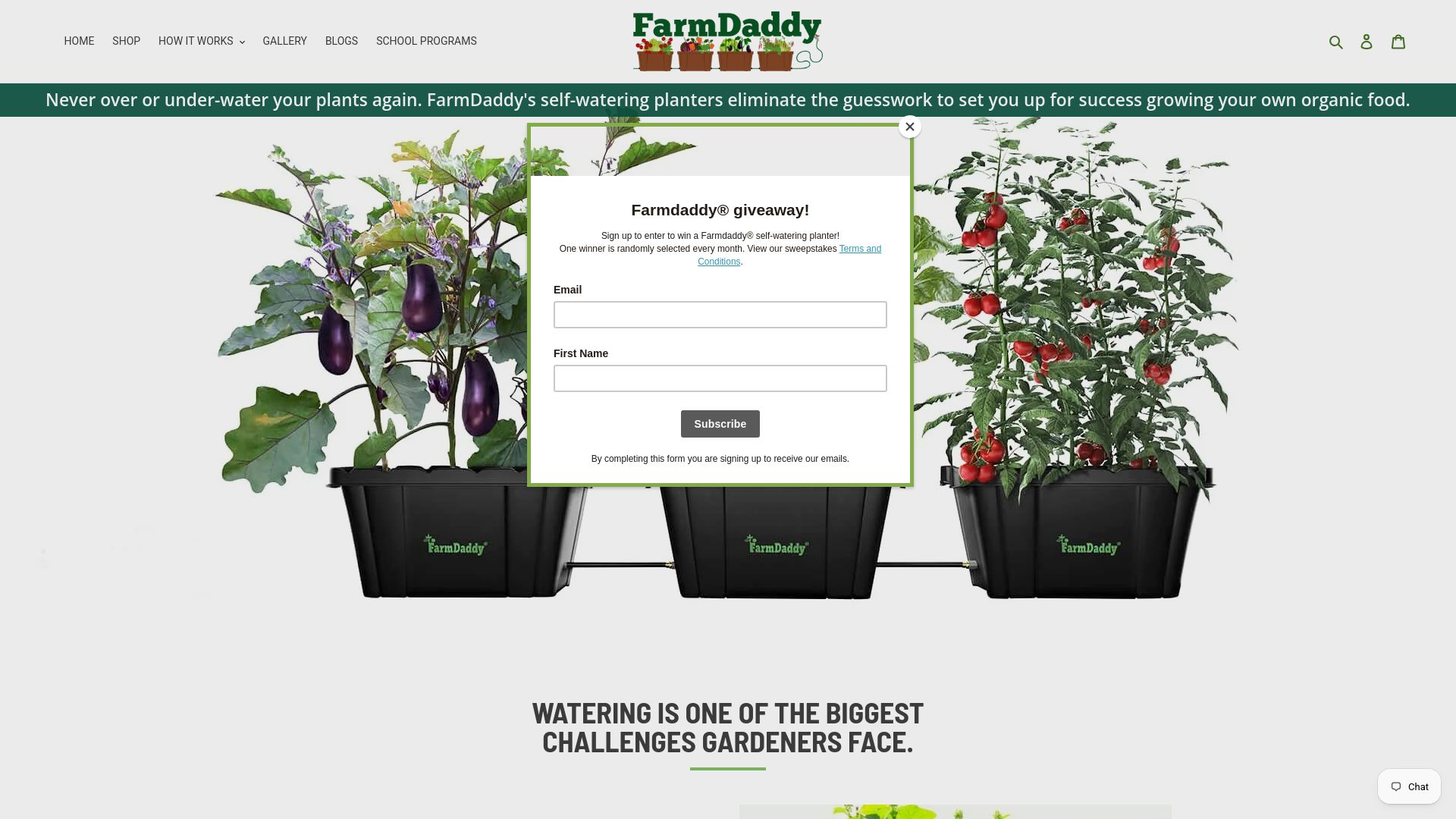
That independence is what makes our self-watering containers different from a standard planter: every pot manages its own moisture, so you’re not stuck babysitting a single shared reservoir. If you’re building a pot for rosemary, thyme, and oregano, our self-watering garden box gives you the container size and reservoir setup this article recommends in one piece, ready for your next trip. For balconies or small patios, the 2-planter system covers a compact herb combo without asking you to check in daily. Pick your setup and plant your herbs before your next trip is booked.
Sources
- Spice up your life: Chives | UF/IFAS Extension
- Herb gardening | UC Master Gardeners - San Luis Obispo County

