
BLOG
Water Wise Flowers for Containers That Bloom All Season

For dependable container color, choose a mix of sun-tolerant annuals like petunias and zinnias plus a few compact perennials, sized to your pot and matched to your light. That’s the whole game: get the light right, give roots enough room to grow, and the rest of container gardening (mix, water, food, combos) falls into place. We’ll walk through all of it below.
TL;DR:
- Container size should be at least 12 to 14 inches in diameter for a single plant, and larger pots are better for multiple plants to retain moisture.
- Sun-tolerant annuals like petunias, zinnias, and marigolds thrive in full sun, while shade varieties such as impatiens, begonias, and coleus perform best in lower light.
- Using a light, soilless potting mix rather than garden soil and ensuring proper drainage are essential for healthy root development and bloom production.
- Self-watering containers with reservoirs can reduce watering frequency and help maintain steady moisture, especially during heat waves or when traveling.
- Regular fertilization every week or so, combined with deadheading and plant rotation, promotes consistent blooming throughout the season.
Table of Contents
- Best Flowers for Containers by Light Exposure
- What Size and Type of Container Works Best?
- How Do You Plant, Water, and Feed Container Flowers?
- How to Design a Container That Blooms All Season
- Why Aren’t My Container Flowers Blooming?
- Steven’s Practical Perspective: Self-Watering Planters and Container Flowers
- A Simpler Way to Keep Container Flowers Blooming
- Sources
Best Flowers for Containers by Light Exposure
Light drives everything in a pot. Full sun means 6 or more hours of direct sun daily, part shade means 3 to 6 hours (often morning sun with afternoon relief), and shade means less than 3 hours or dappled light all day. Matching a plant to its exposure matters more than soil, fertilizer, or even watering, and it’s the mistake we see trip up the most first-time container gardeners.
Full sun is where container flowers really show off, and the Old Farmer’s Almanac points to several standouts that hold up through heat and dry spells:
- Petunias, especially trailing types, for nonstop color and a cascading habit over the pot’s edge
- Calibrachoa (mini petunias) for tighter mounds with the same self-cleaning bloom habit
- Zinnias for bold, cut-flower color that shrugs off heat
- Lantana for drought tolerance and pollinator traffic all summer
- Marigolds for reliable, low-drama blooms and natural pest resistance
- Geraniums for upright structure and classic porch-pot appeal
- Verbena for a trailing habit that fills gaps fast
- Angelonia for spiky vertical interest that keeps blooming in serious heat
Part shade and shade containers need a different lineup. Impatiens remain the classic shade annual, throwing color where little else will bloom. Begonias, particularly wax and tuberous types, handle dappled light and add texture. Coleus brings foliage color instead of flowers, which extends visual interest even between bloom cycles. Fuchsia thrives in cooler, shadier spots and rewards with hanging, jewel-toned flowers. Torenia (wishbone flower) and browallia round out the shade lineup with steady, low-maintenance color.
On the perennial side, coral bells, hostas, and hardy geraniums perform well in containers for a season, though most need extra winter protection or a move into the ground before hard frost if you want them back next year.
What Size and Type of Container Works Best?
Bigger is almost always better in container gardening. University extension guidance recommends a minimum of 12 to 14 inches in diameter for a single specimen plant, and 14 inches or more for mixed plantings with several species sharing one pot, according to K-State Research and Extension. More soil volume buffers roots against heat swings and holds moisture longer, which means less frequent watering and steadier growth.
Material matters too:
- Terra cotta looks classic but dries out fast since the clay itself wicks moisture away.
- Plastic and resin pots stay lighter, retain moisture longer, and move easily if you like to reposition plants through the season.
- Glazed ceramic holds water well but weighs a lot once filled, so it’s better for a spot you won’t need to shift.
Drainage isn’t optional. Every container needs holes at the base; if you’ve fallen for a pot without them, drill a few or use it as a decorative cachepot around a properly draining nursery pot inside.
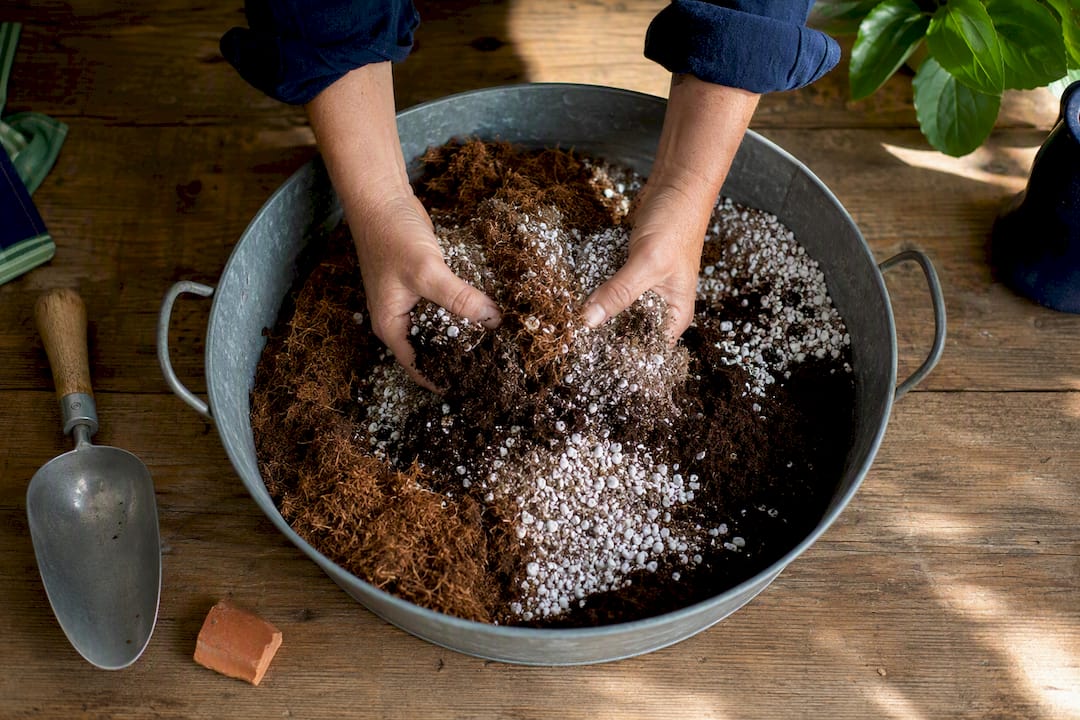
Skip garden soil entirely. It compacts in a container, squeezing out the air pockets roots need and choking drainage, according to Birds & Blooms. A soilless potting mix, built from ingredients like peat, coir, perlite, and compost, stays light and lets excess water pass through freely.
Pro Tip: If daily watering feels like a chore during heat waves or when you travel, a self-watering container with a built-in reservoir solves the problem at the root, literally, by keeping moisture available at soil level between top-offs.
How Do You Plant, Water, and Feed Container Flowers?
Getting containers off to a strong start takes five simple steps:
- Fill the pot with moistened soilless mix, leaving an inch or two of headspace below the rim.
- Loosen root balls gently before planting so roots spread outward instead of circling.
- Set plants at the same depth they were growing in their nursery pots.
- Water thoroughly right after planting until it runs from the drainage holes.
- Top with a thin layer of mulch or compost to slow moisture loss.
Watering frequency depends on pot size and weather. Small pots (under 12 inches) may need water daily in summer heat, while larger containers can often stretch to every other day. Check by pressing a finger an inch into the mix; if it’s dry at that depth, it’s time to water.
Feeding keeps blooms coming, since frequent watering flushes nutrients out of a small soil volume fast. Petunias and other heavy bloomers do best fed every third watering, or about once a week, with a water-soluble fertilizer, according to Containergardeningebook. A slow-release granular fertilizer mixed in at planting time can carry a container through several weeks before you need to start the liquid feed routine.
Deadheading spent blooms and pinching back leggy stems in midsummer both push plants to produce fresh flowers rather than seed. Self-watering systems change this rhythm only slightly: you’ll still feed on the same schedule, but you can water less often since the reservoir handles day-to-day moisture, checking the water level roughly once a week instead of testing soil daily.
How to Design a Container That Blooms All Season
Reliable-looking containers usually follow a simple structure: a tall “thriller” for height, mounding “fillers” for volume, and trailing “spillers” that cascade over the edge, a framework borrowed from professional nursery displays and outlined by Gardening Know How.
A few combinations worth copying:
- Full sun, 16 inch pot: angelonia (thriller), zinnias (filler), trailing petunias (spiller)
- Part shade, 14 inch pot: coleus (thriller), begonias (filler), torenia (spiller)
- Drought-tolerant, 14 inch pot: lantana (thriller), marigolds (filler), verbena (spiller)
- Long-blooming, 16 inch pot: geraniums (thriller), calibrachoa (filler), sweet potato vine (spiller)
Midseason, swap out anything that’s fizzled. Pull spent pansies for heat-loving replacements once summer arrives, or refresh a tired filler plant with a fast-growing annual to carry color into fall. This kind of container layout planning keeps a pot looking intentional instead of patchy.
Why Aren’t My Container Flowers Blooming?
Most container problems trace back to one of three causes: water, light, or nutrients.
- Yellow leaves usually mean overwatering (roots sitting in soggy mix) or a nutrient deficiency if the pot hasn’t been fed in weeks.
- Leggy, stretched growth signals too little light. Move the pot to a sunnier spot or accept a shade-loving replacement instead.
- Few or no blooms often means underfeeding, or a variety planted in the wrong light for its needs.
When you spot an issue, check the roots first. Slide the plant out of its pot; white, firm roots are healthy, while brown and mushy roots mean it’s been overwatered and needs drier conditions or a repot into fresh mix. Root restriction alone lowers flower production, so upsizing a crowded pot often solves a bloom slump on its own, according to BloomingExpert.
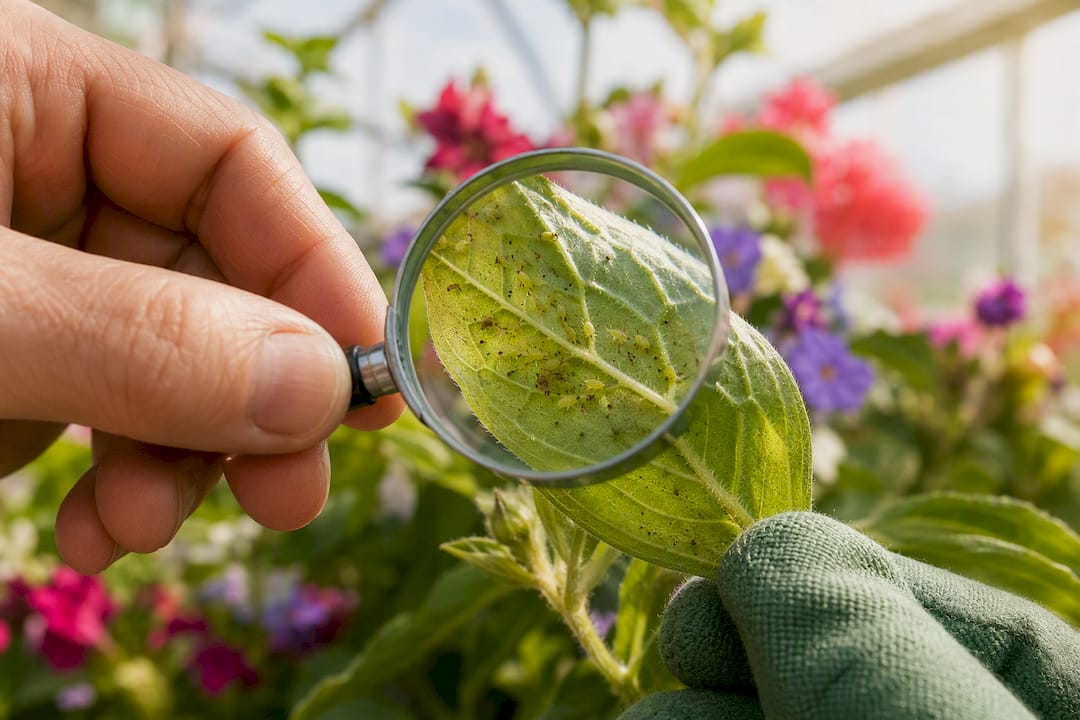
Pro Tip: Isolate any plant showing pest damage or fungal spots before it spreads to its container-mates; a magnifying glass and a quick look under the leaves catches aphids and spider mites early, when a strong water spray or insecticidal soap still works.
If a plant looks rough by midsummer despite your best efforts, it’s often faster and cheaper to swap it for a fresh, vigorous replacement than to nurse it back from a serious setback.
Steven’s Practical Perspective: Self-Watering Planters and Container Flowers
. What strikes me most about self-watering containers isn’t convenience alone, it’s bloom consistency. Plants under steady moisture skip the stress cycles that stall flowering, and since each Farmdaddy container manages its own reservoir independently, a thirsty petunia never steals water from a more moderate neighbor in the same mixed planting…
— Steven
A Simpler Way to Keep Container Flowers Blooming
If you travel often, work long hours, or just live somewhere summers turn brutal, the biggest threat to your containers isn’t your plant choices, it’s missed watering days. Farmdaddy’s self-watering planters solve that specific problem: each container holds its own reservoir and delivers moisture to the roots as needed, so a hot balcony full of petunias or zinnias doesn’t crash the day you skip a watering.
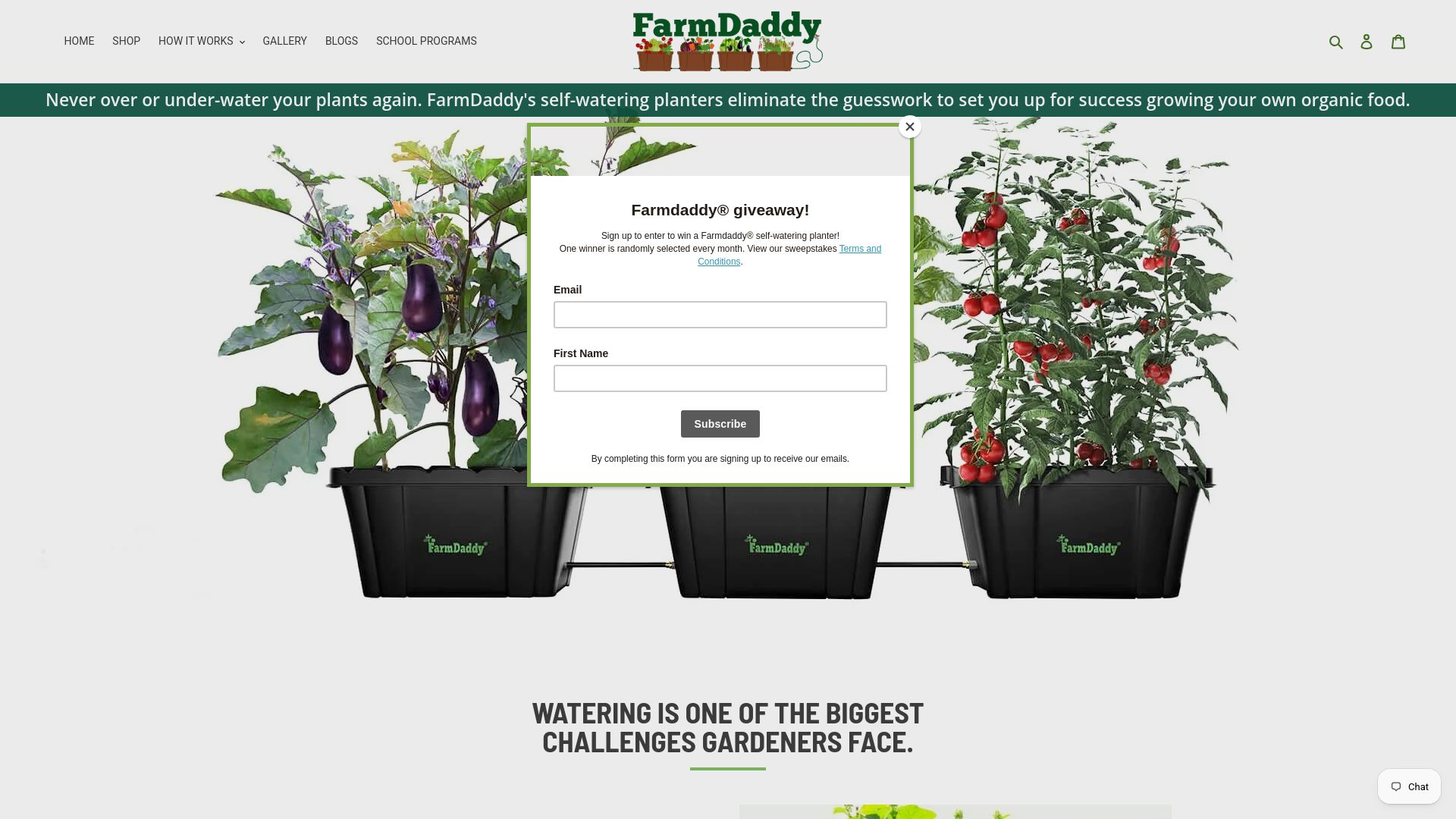
Picture a homeowner heading out on a week-long trip in July. Instead of asking a neighbor to babysit thirsty pots, a reservoir-fed container keeps soil moisture steady the entire time, with no daily top-off required. Because each connected container in the patented Farmdaddy system works independently, a mixed planting of petunias, marigolds, and trailing verbena each gets exactly the moisture it needs rather than sharing one generic schedule.
If steadier blooms and fewer watering chores sound like a fair trade, take a look at the self-watering garden box and see which size fits your patio, balcony, or entryway.
Sources
- Growing flowers in pots (K-State Research and Extension)
- Container gardening with flowers (Old Farmer’s Almanac)
- Flowers for pots (BloomingExpert)
- Potting mix vs garden soil (Birds & Blooms)
- Containergardeningebook

